
How to Effectively Use Sulphide Ore Collectors for Mineral Recovery?
Sulphide ore collectors are essential in the mining industry for the flotation process, which separates valuable minerals from gangue. These collectors are characterized by their ability to selectively bind to sulphide minerals, making them hydrophobic and allowing them to be separated from non-sulfide minerals like quartz and calcite. Here, we explore the different types of sulfide ore collectors and their specific applications.
Types of Sulphide Ore Collectors
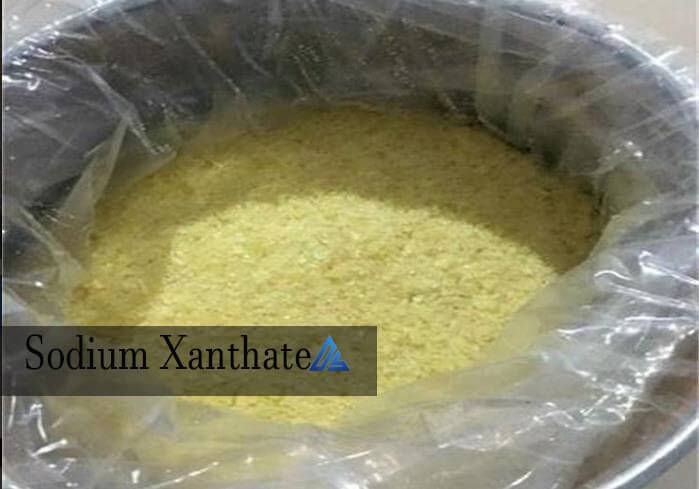
Xanthate Collectors
Characteristics: Xanthates are anionic collectors known for their strong collection performance. They are weak acids that decompose easily, especially at lower pH values and higher temperatures. Xanthates are reducing agents and are prone to oxidation.
Applications: Xanthates are widely used for the flotation of sulfide minerals such as chalcopyrite, galena, and sphalerite. They form insoluble compounds with many heavy and noble metal ions, making them highly effective in mineral recovery
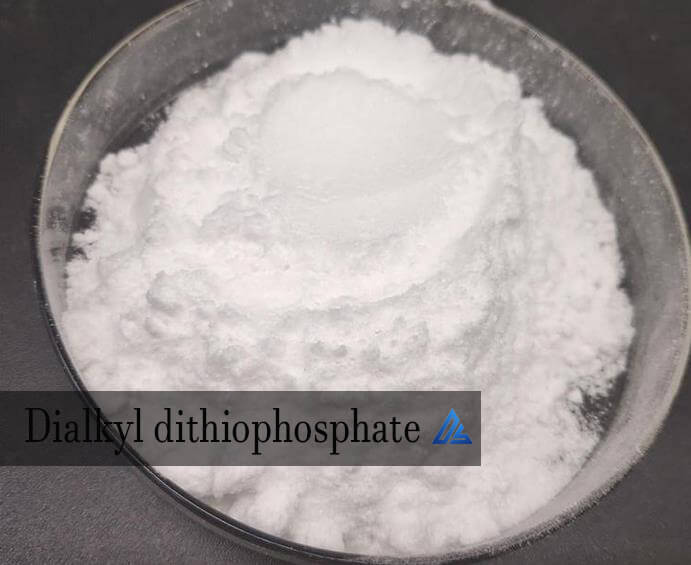
Black Medicine (Dialkyl Dithiophosphate)
Characteristics: This collector has similar flotation properties to xanthates but with weaker collection ability and better selectivity. It also has foaming properties.
Applications: Black medicine is used for the flotation of pyrite-containing copper sulphide ores, lead-zinc, and copper-zinc polymetallic ores. It is particularly effective in selective flotation, reducing the collection of pyrite
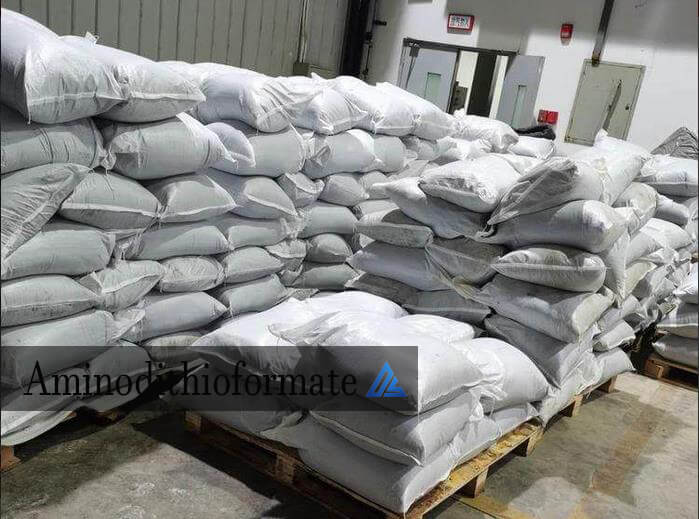
Ethyl Dithiazide (Aminodithioformate)
Characteristics: This compound is formed by the reaction of diethylamine with carbon disulfide and sodium hydroxide. It is a white powder that decomposes in acidic mediums and has a stronger collection capacity than xanthates.
Applications: Ethyl dithiazide is effective in collecting galena and chalcopyrite but has a weaker effect on pyrite. It is used in the separation of copper-lead sulfide ores, providing better separation effects than xanthates.
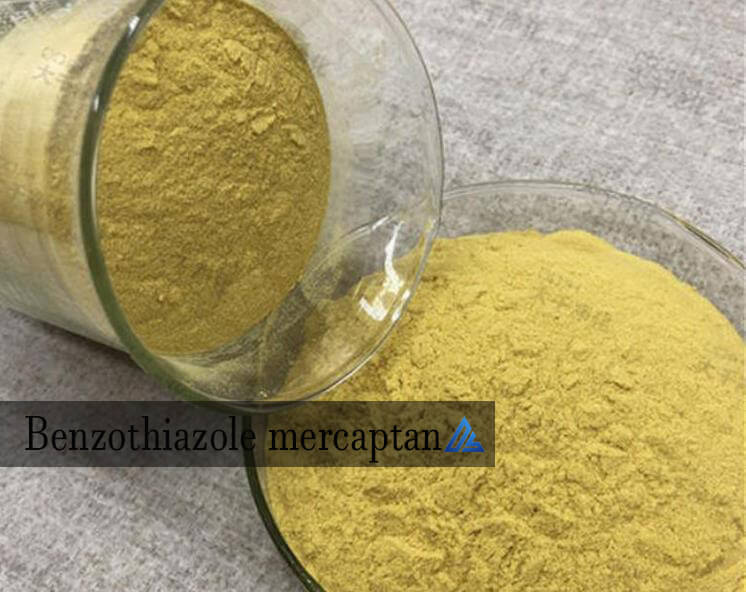
Thiol Collectors
Characteristics: Thiol collectors, such as mercaptans, are selective collectors for sorting copper, lead, zinc, and other sulfide ores. They are insoluble in water but soluble in alcohol and alkaline solutions.
Applications: These collectors are used for the flotation of lead oxide ores and have strong collection abilities for galena, moderate for sphalerite, and weak for chalcopyrite.
Imidazole Thiol
Characteristics: This white solid powder is barely soluble in water but better soluble in alkali. It is used in the flotation of copper oxide ores.
Applications: Imidazole thiol is widely used for refractory copper oxide ores, providing effective mineral recovery
Whatsapp:+86 133 1927 7356
Email:[email protected]